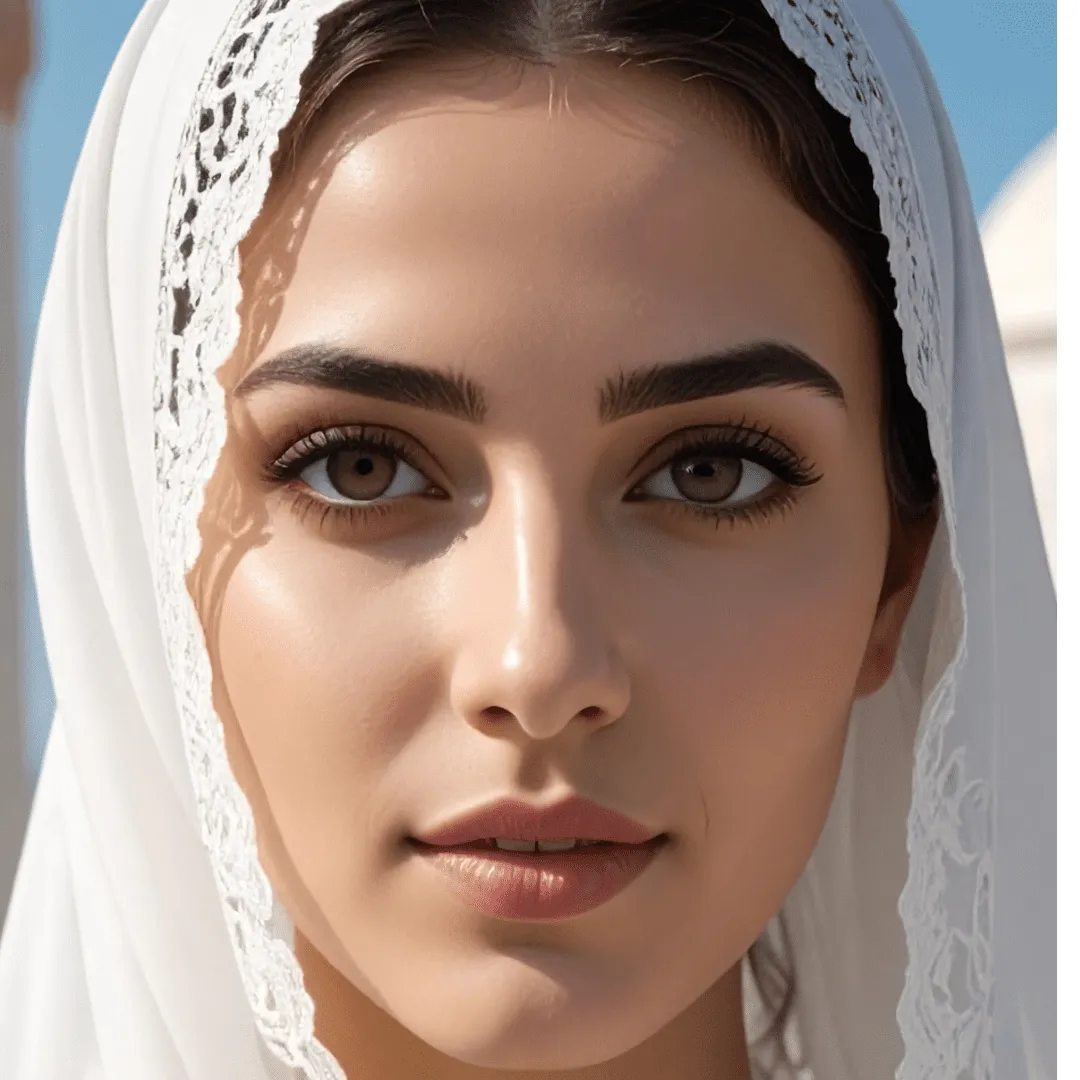

Rhinoplasty (Structural & Preservation)
Rhinoplasty: Precision Sculpting & Functional Art
Rhinoplasty is the ultimate fusion of architectural engineering and artistic sculpting. In the UAE, where diverse ethnicities converge, there is no “one nose fits all.”
Dr. Thomas Colson prioritizes a philosophy of harmony and function. He is one of the few surgeons in Abu Dhabi proficient in two distinct surgical pathways: Structural Rhinoplasty for complex reconstruction and the revolutionary Preservation Rhinoplasty for natural refinement.
1. Preservation Rhinoplasty: The "Push Down" Revolution
For decades, reducing a dorsal hump involved cutting the top off the nasal bridge, disrupting the natural “keystone area” where bone meets cartilage. Preservation Rhinoplasty changes this paradigm entirely.
- The Technique: Instead of cutting the bridge from above, Dr. Colson removes a precise strip of bone and cartilage from underneath the nasal foundation. This allows him to “push down” the entire nasal bridge to a straight profile while keeping the natural dorsal skin and cartilage roof completely intact.
- The Benefits: Because the soft tissue envelope on the bridge is not disturbed, swelling is significantly reduced, and the risk of irregularities is minimized. This technique is ideal for patients with a dorsal hump but a naturally nice tip shape.
2. Structural Rhinoplasty: Definition for Thick Skin
For patients requiring significant tip refinement, projection changes, or correction of severe deviations, Structural Rhinoplasty is the method of choice.
- The Approach: This method builds a stable framework using cartilage grafts (harvested from the septum or rib) to support the airway and define the nasal tip.
- Middle Eastern Rhinoplasty: This technique is particularly effective for patients with thick skin, common in Middle Eastern ethnicity. Thick skin requires strong underlying support to show definition; without this structural strength, the nose can appear undefined or bulbous.
3. Ultrasonic Piezo Technology: The Gentle Touch
We employ the latest Piezoelectric surgical tools, which use ultrasonic vibrations to sculpt bone with micrometer precision.
- Safety: Unlike traditional hammers and chisels, Piezo tools do not damage soft tissue, blood vessels, or nerves.
- Recovery: This results in significantly less bruising (“raccoon eyes”) and swelling, allowing for a faster return to social activities.
4. Functional Restoration (Septoplasty)
Every aesthetic rhinoplasty includes a functional component. We routinely perform Septoplasty (straightening the septum) and Turbinate Reduction to ensure that your new nose breathes as beautifully as it looks.
Frequently Asked Questions
Deep Plane Facelift & Neck Lift
The Deep Plane Facelift: Structural Rejuvenation
Aging is not merely a skin problem; it is a structural event involving the descent of deep fat pads and the weakening of retaining ligaments. Therefore, a truly effective solution must address the architecture, not just the surface.
Dr. Thomas Colson specializes in the Deep Plane Facelift, the most sophisticated surgical answer to facial aging. Unlike traditional “SMAS” techniques that rely on pulling the skin—often resulting in a stretched, “windblown” look—the Deep Plane approach repositions the deep facial tissues to their youthful origin, offering results that are dramatic yet undetectable.
1. The Anatomical Advantage: Ligament Release
The defining characteristic of Dr. Colson’s technique is the surgical release of the Zygomatic and Masseteric ligaments.
- The Problem: These ligaments act as “tethering points” that hold facial tissues down. As we age, they become obstacles to a natural lift.
- The Solution: By meticulously releasing these ligaments, Dr. Colson can reposition the entire muscle-fat layer (the SMAS) and the cheek fat pad as a single, composite unit.
- The Benefit: This allows for a tension-free closure. The skin is never pulled tight; instead, it naturally redrapes over a restored, youthful contour, ensuring no distortion of the mouth or ears.
2. Vertical Vector Repositioning
Gravity pulls the face vertically downwards. Yet, many older facelift techniques pull horizontally back towards the ears.
- Our Approach: We utilize a Vertical Vector of elevation. We lift the fallen cheek fat upwards back to its position on the cheekbone.
- The Result: This restores the “heart-shaped face” associated with youth and corrects the nasolabial folds (smile lines) more effectively than any filler or superficial lift could achieve.
3. Integrated Deep Neck Lift
A defined jawline is a specific aesthetic priority in the UAE. The Deep Plane Facelift is almost invariably combined with a Deep Neck Lift (Platysmaplasty) to address the heavy neck. We go beyond simple liposuction:
- Sub-Platysmal Fat Removal: We sculpt the deep fat pockets located under the neck muscle, which are often genetic and resistant to weight loss.
- Platysma Plication: The neck muscle is tightened like a corset to create a sharp, defined angle between the chin and neck.
- Digastric Contouring: In patients with very heavy necks, we refine the digastric muscles to eliminate bulkiness that obscures the jawline.
Deep Plane vs. Traditional Lift
| Feature |
Deep Plane Facelift |
Traditional SMAS Lift |
| Ligament Release |
Yes (Zygomatic & Masseteric) |
No |
| Skin Tension |
None (Muscle carries the load) |
High (Skin carries the load) |
| Longevity |
10–15 Years |
5–7 Years |
| Movement |
Natural & Preserved |
Can look stiff or “frozen.” |
| Nasolabial Fold |
Significant Improvement |
Minimal Improvement |
Frequently Asked Questions
Blepharoplasty: The Art of a Rested Gaze
The eyes are the focal point of facial interaction. However, genetics and time can cause excess skin and herniated fat pads to create a permanently tired, sad, or aged appearance that does not reflect your actual energy.
Blepharoplasty (Eyelid Surgery) is a precise intervention designed to restore a rested, alert look. Dr. Thomas Colsonavoids the “surprised” or “hollow” look, favoring advanced techniques that preserve your natural eye shape while erasing signs of fatigue.
1. Upper Blepharoplasty: Opening the Eyes
This procedure addresses Dermatochalasis—the heavy, hooded skin that weighs down the upper lid. In severe cases, this skin can even rest on the eyelashes, impairing your peripheral vision.
- The Technique: Dr. Colson precisely excises the excess skin and a conservative amount of muscle/fat.
- The Incision: The incision is hidden within the natural supratarsal crease (the fold of the eyelid).
- The Result: Once healed, the scar is virtually invisible. The eyes appear larger and brighter, and makeup application becomes easier and smoother.
2. Lower Blepharoplasty: The "Fat Transposition" Standard
Traditional lower eyelid surgery often involved simply removing the fat pads (“bags”). Unfortunately, this often led to a hollow, skeletal look years later. Dr. Colson utilizes the modern Fat Transposition (Repositioning) technique.
- The Problem: “Bags” under the eyes are often accompanied by a “tear trough”—a deep hollow groove beneath the bag.
- The Solution: Instead of throwing away the fat, Dr. Colson repositions it. He gently moves the fat pad down into the tear trough.
- The Benefit: This smooths the transition between the eyelid and the cheek, restoring youthful volume and eliminating the dark circles caused by shadowing. It is a “recycling” approach that prevents future hollowness.
Frequently Asked Questions
Otoplasty (Ear Correction)
Otoplasty: Restoring Balance and Confidence
Prominent, protruding, or asymmetrical ears can be a significant source of self-consciousness for both children and adults. Otoplasty (commonly known as Ear Pinning) is a transformative procedure that does more than just move the ears back—it reshapes the cartilage to create a natural, harmonious balance with the head.
Dr. Thomas Colson approaches this surgery with an artist’s eye, ensuring the ears look natural from every angle, avoiding the “glued back” or artificial appearance.
The Procedure: Sculpting the Cartilage
Dr. Colson performs this procedure through a discreet incision hidden in the post-auricular sulcus (the natural fold behind the ear), making the scar virtually invisible. The surgery typically addresses two main structural issues:
- Recreating the Fold (Antihelical Fold): Many prominent ears lack the natural “Y” shaped fold in the upper ear. Using permanent internal sutures and delicate scoring techniques, Dr. Colson recreates this curve, which naturally draws the upper ear closer to the head.
- Reducing the Bowl (Conchal Setback): If the deep cup of the ear (conchal bowl) is too large, it pushes the ear outward. Dr. Colson reduces the depth of this bowl to bring the ear closer to the scalp.
The Goal: The aim is not to pin the ear “flat” against the skull, but to restore a natural angle of projection (usually 15-20mm) that looks aesthetically pleasing.
Timing: Children vs. Adults
For Children: This is one of the few cosmetic procedures performed on children. The ideal age is from 6 years old, as ear growth is nearly complete (about 85-90%). Performing surgery at this age often helps prevent social teasing before the child enters primary school.
For Adults: In the UAE, we see many adult patients seeking this correction. Whether you felt self-conscious for years or simply want a change, it is never too late. The procedure for adults is just as effective and can often be performed under local anesthesia with sedation.
Recovery & Aftercare
The Bandage: A bulky dressing is worn for the first 24–48 hours to minimize swelling.
The Headband: Afterward, a lighter sports headband (like a tennis band) must be worn at night only for 2–4 weeks. This protects the repair from bending while you sleep.
Return to Routine: Children can usually return to school in 1 week, while adults often return to work in 3–5 days.
Frequently Asked Questions